Fincantieri names new CEO of its American shipmaking arm
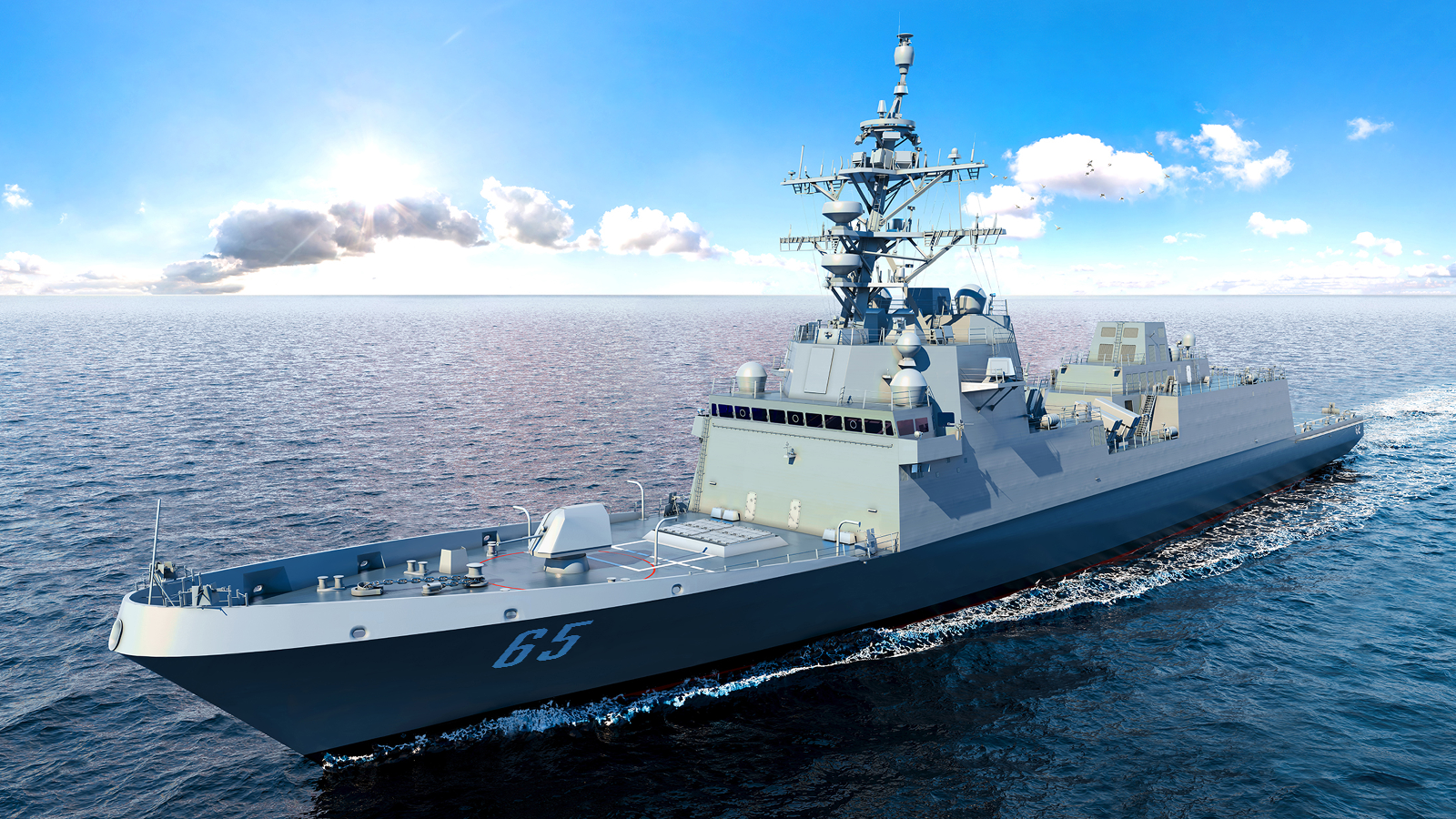
Industry veteran George Moutafis will lead the US arm of Fincantieri as the Trump administration contemplates the future of its biggest Navy program, the Constellation-class frigate.
"We are at the disposal of the German system as a commercial partner, as an industrial partner, depending on their strategy," said Fincantieri CEO Pierroberto Folgiero.
Vard recently hosted a high-level defense ministry tour, but it faces competition from other internationally renowned shipbuilders, including the UK's BAE Systems, France's Naval Group and Damen Group from the Netherlands.
The joint venture, dubbed Maestral, "will be awarded prime rights to non-NATO orders, and a number of strategic orders placed by selected NATO member countries ... ," according to a statement issued by the firm today.
Development of more novel weapon systems includes the second phase launch of the Tactical Advanced Laser Optical Systems (TALOS) project (TALOS-TWO), designed to support a long term target of developing 100 kilowatt-class laser weapons by 2030.
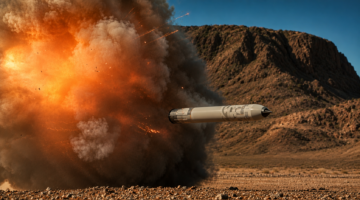
Terms of the acquisition include the shipbuilder paying a fixed fee of €300 million ($323 million), and “based on certain growth assumptions,” an additional €115 ($124 million) directly relating to performance of the underwater armaments business this year.
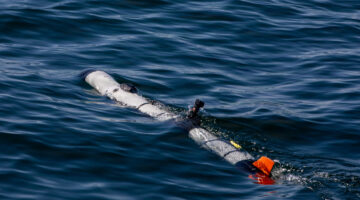
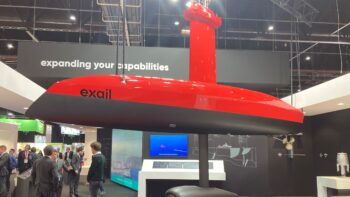
“Underwater will be what was space 40 years ago,” company CEO Pierroberto Folgiero told Breaking Defense during a recent visit to Washington.
EDGE will control 51 percent of the joint venture, giving it the right to produce Fincantierri's ships for the region.
Fincantieri CEO Pierroberto Folgiero told Breaking Defense the modularity approach shortens production time against a general frigate market trend of 40 months, and he “strongly believes” Saudi Arabia stands as a key “addressable market” to secure a future FCx30 sale.
A total budget of €87 million ($92 million) has been allocated for the project’s first phase, split between €60 ($63 million) in European Commission (EC) grants and €27 million ($28 million) from member states Italy, France, Spain, Denmark, Greece and Norway.
“The [Horizon-class] ships as they are right now, do not have an anti-ballistic missile defense capability, so that is the main improvement,” Enrico Gottardo, Bids Director at Naviris, told Breaking Defense.
The Italian government cited changed conditions on the ground in Yemen as its reason to lift the years-long block.
Greece plans on acquiring three ships while retaining an option for a fourth, with industry competitors committing to supporting local shipbuilding as part of their bids.
In an exclusive interview, CEO Pierroberto Folgiero and chairman Claudio Graziano lay out their views of what the coming year may bring for the Italian shipbuilder.